A Celliara guide to microcurrent devices
Microcurrent vs Radiofrequency: What’s the Difference?
Two Different Technologies, Two Different Problems
Microcurrent and radiofrequency are frequently compared as if they’re competing approaches to the same goal. They’re not. They operate through fundamentally different mechanisms, target different tissue layers, and produce different types of results on different timelines. Understanding the distinction matters because choosing the wrong modality for your specific concern can leave people feeling these devices underperformed expectations.
Microcurrent delivers low-level electrical current — typically in the microampere range, below the threshold of sensory perception — to stimulate the neuromuscular system and boost cellular ATP production. Its primary targets are the facial muscles and the fibroblasts in the dermis. Radiofrequency (RF) delivers energy that tissue converts to heat. Research on professional RF systems describes heat-driven collagen contraction and remodelling, but those findings do not establish the tissue effects produced by a particular home device. One works through electrical stimulation; the other works through heat.
The practical implication: microcurrent is better suited for muscle tone, facial contour, and skin radiance, while RF is better suited for addressing laxity and collagen loss in the deeper dermis. A person whose primary concern is jowl laxity has different needs than someone whose primary concern is facial sluggishness and loss of definition. These distinctions aren’t minor — they determine which modality is the appropriate tool for the job. For a detailed breakdown of how microcurrent works at the cellular level, see our microcurrent guide.
That said, the two modalities don’t compete — they address different dimensions of skin aging, which is why multi-modal devices that combine both technologies have become a significant category in the consumer device market. The key is understanding what each contributes before evaluating whether a combined approach makes sense for your specific situation.
How Microcurrent Works
Microcurrent devices deliver electrical current in the microampere range — typically 10–600 µA — which is sub-sensory and produces no muscle contraction (unlike EMS, also called NMES, which operates in the milliampere range and produces visible muscle contractions). At this sub-threshold level, the current influences cellular physiology rather than directly triggering muscular contraction. The primary mechanism is stimulation of ATP synthesis in fibroblasts, with secondary effects on neuromuscular re-education over time through repeated low-level stimulation of motor neurons.
Device design varies considerably in this category. Professional microcurrent devices — used in clinical settings — deliver current through dual probes or treatment heads that create a defined electrical circuit between two points on the face. The waveform, frequency, and current intensity are calibrated to specific treatment goals. Consumer devices range from single-wand designs to multi-probe units, and the waveform characteristics (biphasic vs. monophasic, frequency modulation patterns) differ between manufacturers and are rarely disclosed in marketing materials. These waveform differences may meaningfully affect outcomes, but the consumer literature on this is thin.
The neuromuscular component of microcurrent is conceptually appealing but mechanistically nuanced. The idea of “re-educating” facial muscles through repeated sub-threshold electrical stimulation is supported by some clinical exercise science literature on neuromuscular electrical stimulation (NMES), but facial microcurrent devices operate well below NMES intensity levels. The degree to which consumer microcurrent devices produce genuine neuromuscular adaptation versus primary ATP-driven fibroblast effects is an ongoing question. What the evidence does support is improved facial contour and skin quality with consistent use — the precise mechanism weighting is less settled.
Consumer-grade devices operate at significantly lower energy levels than professional devices. Professional microcurrent systems may deliver current through larger treatment heads, more sophisticated waveform programming, and longer session protocols administered by trained practitioners. Extrapolating clinical study results from professional devices to consumer wands requires caution — the energy parameters differ, and the evidence base for consumer device outcomes specifically is smaller than the broader microcurrent literature.
How Radiofrequency Works
Radiofrequency devices deliver electromagnetic energy that the tissue converts to heat through electrical resistance. Professional RF systems have been studied and used under specific tissue-temperature, energy and frequency conditions, and that research describes heat-driven collagen contraction and remodelling. Those professional findings do not establish the temperature, depth or frequency a home device reaches, or the biological effects it produces; for current home products, the exact device’s own controls and its maker’s instructions govern how it is used. This is a fundamentally different mechanism from microcurrent: it works through heat, not electrical stimulation.
RF device design has important clinical implications. Monopolar RF uses a single treatment electrode and a grounding pad, delivering energy that penetrates deeply and disperses broadly — it’s the design used in clinical systems like Thermage and is capable of reaching subcutaneous tissue. Bipolar RF confines energy between two electrodes on the treatment head, producing more superficial heating with more predictable control. Most consumer RF devices use bipolar or multipolar configurations for safety reasons, which means their depth of penetration and tissue targets differ from monopolar clinical systems. RF microneedling, which combines RF energy with needles that pass through the skin, is a separate professional medical procedure, outside this comparison of at-home devices.
The thermal effect of RF on collagen has been confirmed histologically in biopsy studies — post-treatment biopsies show new collagen formation and structural remodeling in treated tissue months after treatment. However, the biopsies supporting these conclusions come primarily from clinical-grade systems at energies that consumer devices do not match. Consumer RF devices produce real thermal effects but at lower energy levels, and the degree to which clinical biopsy data translates to consumer device outcomes is an ongoing extrapolation, not a confirmed equivalence.
For a comprehensive overview of radiofrequency mechanisms and device types, see our radiofrequency guide. To see the RF devices Celliara has reviewed, visit the RF skin tightening hub.
What the Evidence Shows for Each
Published studies of microcurrent for facial applications are few and small. The outcomes in Celliara’s evidence record are modest, photograph- or instrument-graded improvements in contour and tone, not dramatic transformations, and that record does not establish measured, statistically significant changes in specific features such as the jawline, cheekbones or brow.
RF evidence includes histological studies of collagen remodeling. Multiple controlled trials using clinical RF systems demonstrate new collagen formation in biopsy specimens, improved tissue laxity scores, and measurable reduction in submental fat volume (for devices targeting subdermal layers). The evidence for bipolar consumer RF devices specifically is less robust than for clinical systems, though several well-designed studies show real improvements in skin laxity scores and texture with consistent consumer device use.
The shared limitation across both categories is the consumer-to-clinical extrapolation problem. Most high-quality evidence comes from clinical-grade devices operated by trained professionals at energy levels that consumer devices don’t match. Consumer device evidence is growing but remains thinner, and manufacturer-funded studies should be interpreted with appropriate caution. Independently conducted trials with standardized protocols and objective outcome measures are the benchmark for evaluating consumer device claims.
What Neither Technology Can Do
Neither microcurrent nor RF eliminates fat, despite marketing language that sometimes implies contouring or slimming effects. Microcurrent’s effect on facial definition comes through muscle tone and skin quality improvement — not fat reduction. RF at the energy levels delivered by consumer devices does not produce meaningful adipocyte apoptosis. Clinical body RF systems designed for fat reduction (such as TruSculpt or Venus Legacy) operate at substantially higher energy levels and with specific treatment protocols targeting subcutaneous fat — this is a categorically different application from facial skin rejuvenation devices.
Neither modality produces permanent results. Microcurrent results require ongoing maintenance — fibroblast ATP stimulation and neuromuscular effects are cumulative with consistent use but dissipate without regular sessions. RF results last longer because they’re driven by histological collagen remodeling (collagen produced by RF stimulation persists for months), but the underlying aging process continues, and periodic retreatment is necessary to maintain improvements. “Permanent” in the context of non-invasive treatments is not a supportable claim for either technology.
Neither technology is a surgical equivalent. Surgical facelift, brow lift, and other structural procedures address tissue at anatomical levels — repositioning, resecting, and securing — that no non-invasive energy device can replicate. For significant structural laxity, substantial volume loss, or redundant skin, clinical consultation about surgical or injectable options is the appropriate path. Consumer devices in both categories are most effective for mild-to-moderate concerns and for maintaining results achieved through other treatments, not for replacing them.
Timeline Differences Between Microcurrent and RF
The evidence does not establish that either technology produces visible results faster. Routines, study designs, endpoints and the exact devices tested differ too much between microcurrent and RF to infer a universally faster modality, and a proposed mechanism such as ATP stimulation is not evidence of when visible change appears.
Professional RF studies assess outcomes at follow-up intervals specific to the procedure and study. Those intervals do not establish a universal result timeline for home devices. For a home product, judge reported changes against evidence for the exact device and follow its manufacturer’s schedule.
When judging results, use the follow-up intervals reported in the relevant RF study. For microcurrent, follow the exact manufacturer’s maintenance instructions; those instructions do not establish how long effects persist after stopping. Session frequency for each device is set by its maker, and whether and how to combine the two is a question for each device’s instructions and, for clinic treatments, your practitioner.
Device Considerations and Contraindications
Maintenance cost is a meaningful variable in microcurrent device ownership that is often underweighted at purchase. Conductive gel is required for every microcurrent session — it reduces skin resistance and allows current to pass efficiently between the device and skin. Proprietary gels from device manufacturers can add significant ongoing cost. Third-party alternatives are available for some devices but may affect conductivity. RF devices typically require conductive gel or coupling cream as well, though at lower per-session volumes for most designs. Replacement treatment heads or cartridges are a cost factor for some RF devices with consumable components.
Multi-modal devices that combine microcurrent and RF are an increasingly evaluated category. In theory, combining both mechanisms addresses more dimensions of skin aging simultaneously. Evaluating multi-modal devices requires assessing the evidence and specifications for each modality independently, not treating the combination as automatically superior to single-modality alternatives. The EvenSkyn Lumo⁺ is a multi-modal example built around RF rather than microcurrent: it pairs sensor-controlled 1 MHz RF with EMS and red and blue LED in one handset, and EvenSkyn’s own EMS output figures disagree, so each mode needs judging on its own documentation.
Each manufacturer sets the contraindications for its own device, and they differ between devices, so read the exact device’s current warnings before you buy or use one. FOREO, for example, says not to use its BEAR 2 microcurrent device with metal implants, epilepsy or cancer. Check the exact device’s warnings for implanted electrical devices such as pacemakers, metal implants, pregnancy, and active skin infections, open wounds or inflamed skin in the treatment area. Where a manufacturer says not to use its device, a clinician’s advice does not change that.
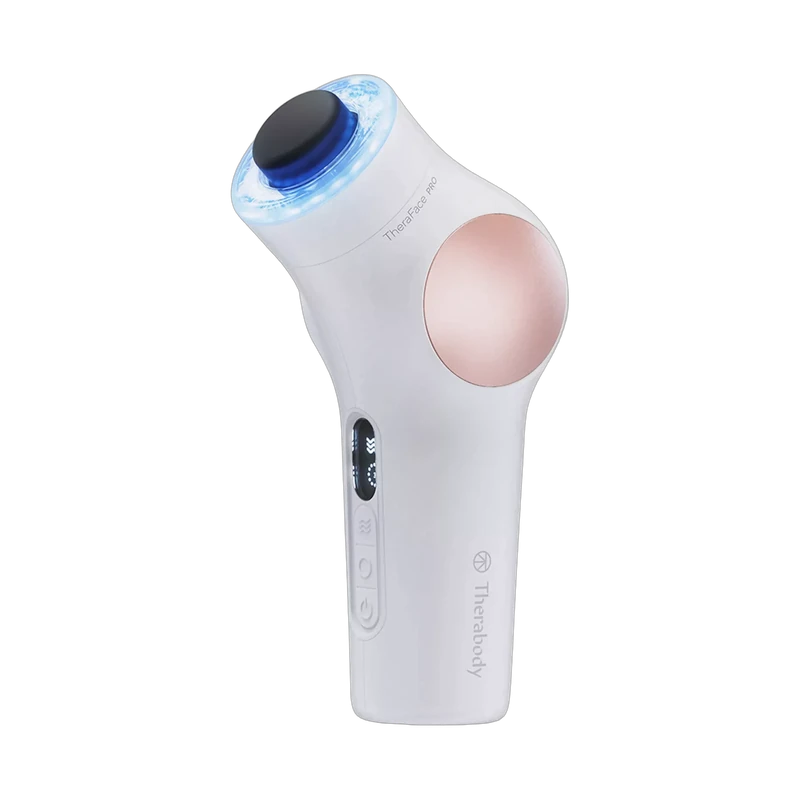
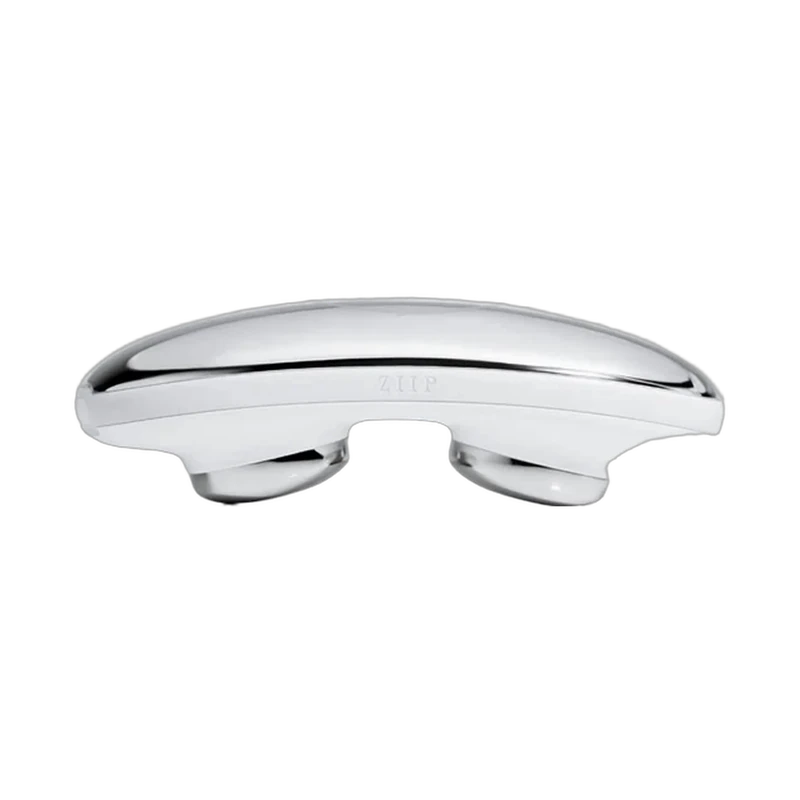
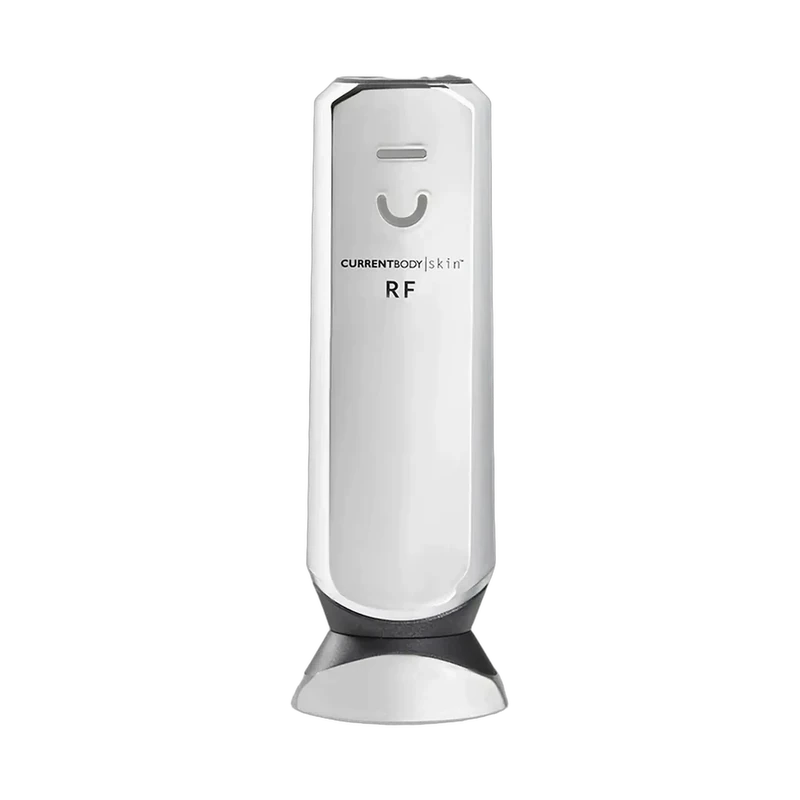
Devices Celliara has reviewed in both technologies
Current facts and scores come from each device's Celliara review.
Frequently Asked Questions
Which is better for jowls — microcurrent or radiofrequency?
They work on different things. RF works through heat and collagen remodeling in the dermis, which is aimed at laxity; microcurrent is aimed at muscle tone and definition and doesn’t produce tissue contraction. Which approach suits a particular concern such as jowling is an individual question: a qualified clinician can assess it, and any device should be judged on its own evidence.
Can you use both microcurrent and radiofrequency together?
They work through different mechanisms, so they are not redundant. Whether you can use both, and how to space sessions, is set by each device’s instructions and, for clinic treatments, by your practitioner; Celliara does not set a combined schedule.
How long before seeing RF results?
There is no universal timeline for RF results. Professional procedures and home devices differ, and findings from a clinical procedure do not establish when a home device will produce visible changes. Use evidence for the exact product to judge reported results and follow its manufacturer’s schedule.
Does microcurrent help with fine lines?
Possibly, through its proposed fibroblast ATP stimulation mechanism rather than through direct structural remodeling. Increased ATP availability in fibroblasts supports collagen and elastin synthesis, contributing to gradual improvement in fine line appearance over weeks of consistent use. The effect is more pronounced for fine lines related to skin quality and hydration than for deep, structurally caused wrinkles, which require more aggressive remodeling approaches. Microcurrent’s contribution to fine line improvement is real but modest relative to retinoid therapy or energy-based clinical treatments — it functions best as a complementary modality within a complete skincare protocol.
Where to go next
See current recommendations
Our ranked page names the devices we recommend and who each one suits.
- Best Overall NuFACE Trinity+
- Best for Fine Control + Gel Flexibility FOREO BEAR 2
- Best for First-Time Buyers NuFACE Mini+
Decide between two devices
Explore the category
What separates the devices Celliara has reviewed, with every review in one place.
Microcurrent devices