EvenSkyn Devices Review (2026): Every Product, Ranked and Compared
A Canadian at-home beauty device brand covering microcurrent, RF, LED, and IPL hair removal — mid-range pricing with honest, competent devices across all four categories.
EvenSkyn — Brand Overview
EvenSkyn launched as a direct-to-consumer brand targeting the gap between cheap drugstore devices and clinical-grade equipment costing thousands. Their core thesis: technology that was previously clinic-only — RF, microcurrent, LED phototherapy, IPL — can be packaged at home-use price points if you accept some tradeoffs in intensity and protocol depth.
That thesis mostly holds. The tradeoffs are real (home-use energy levels are lower than clinical settings, treatment protocols require consistency over weeks), but the devices themselves are engineered competently. FDA clearances where required (IPL), safety sensors, adjustable intensity levels — these aren't shortcuts.
What EvenSkyn does well: honest feature sets, consistent build quality across the lineup, competitive pricing vs. comparable devices from CurrentBody or NuFACE. What they don't do: clinical-grade intensity, deep brand recognition, or the kind of PR machine that gets devices into Forbes and Allure. Their ranking performance comes from the products, not from hype.
- Origin Canadian brand, sells globally via evenskyn.com and Amazon
- Active devices 4 devices across 4 categories
- Price range $119.99–$499.99
- Affiliates AWIN affiliate program
- Coverage Celliara is the primary independent reviewer across all four devices
EvenSkyn Lumo⁺
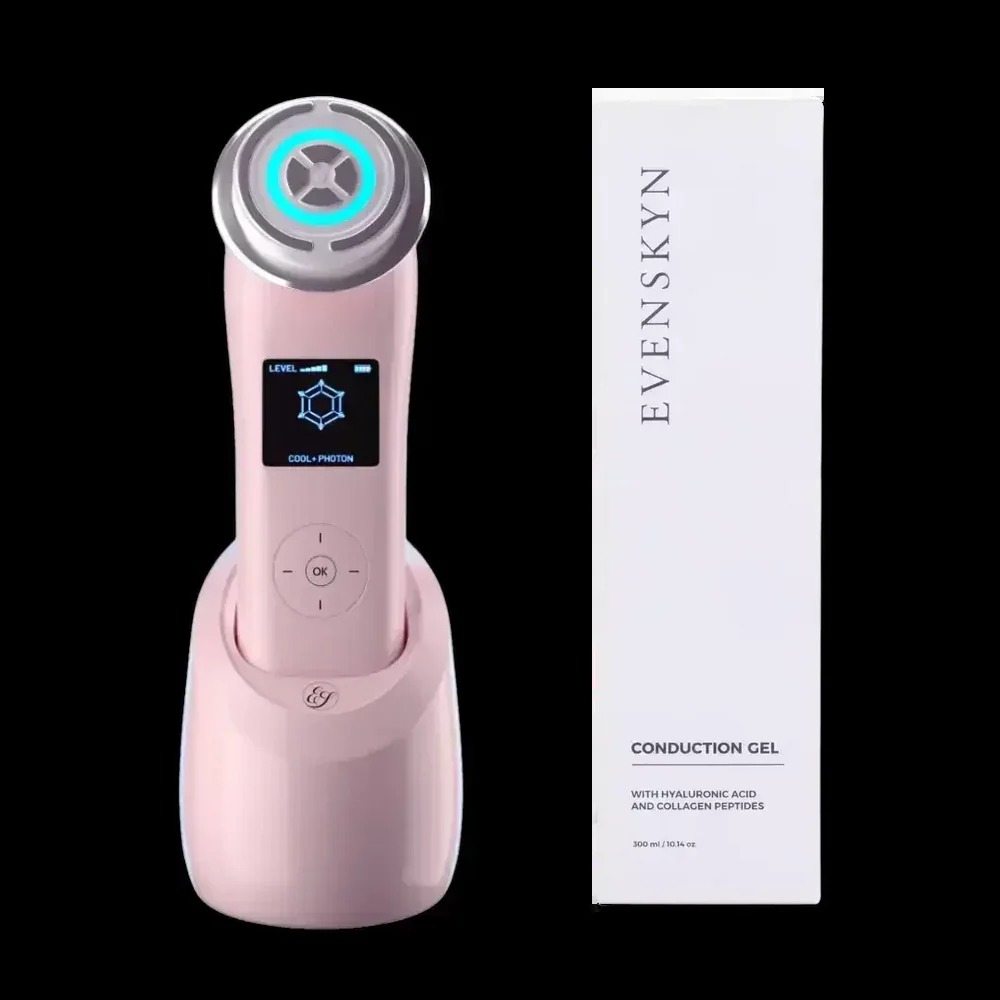
The EvenSkyn Lumo⁺ is the rare multi-technology device that actually delivers on its "replace four tools" promise — RF skin tightening, EMS muscle stimulation, red light photorejuvenation, and blue light therapy in one handset. At $499.99 it's the most expensive device in the lineup, but the value equation works: buying equivalent standalone devices from separate brands costs significantly more. RF alone from a TriPollar unit runs $250–$400. CurrentBody's LED mask hits $300+. The Lumo⁺ packages all four in one handset that doesn't require gel, cords, or separate charging.
Key specs:
- RF frequency: 1MHz, monopolar delivery
- EMS output: Adjustable intensity, facial muscle stimulation
- LED wavelengths: 630nm red (photorejuvenation), 415nm blue (acne)
- Treatment time: 10–15 min per zone
- Regulatory: FDA registered
Who it's for: Anti-aging focus, wants multi-modal in one device, budget ~$500. If your primary concern is skin laxity and you want RF + LED without buying two separate devices, the Lumo⁺ is the move.
Score breakdown: 8.3/10 — loses points only for the learning curve of managing four modalities in one protocol and the price point relative to single-function devices.
EvenSkyn Mirage
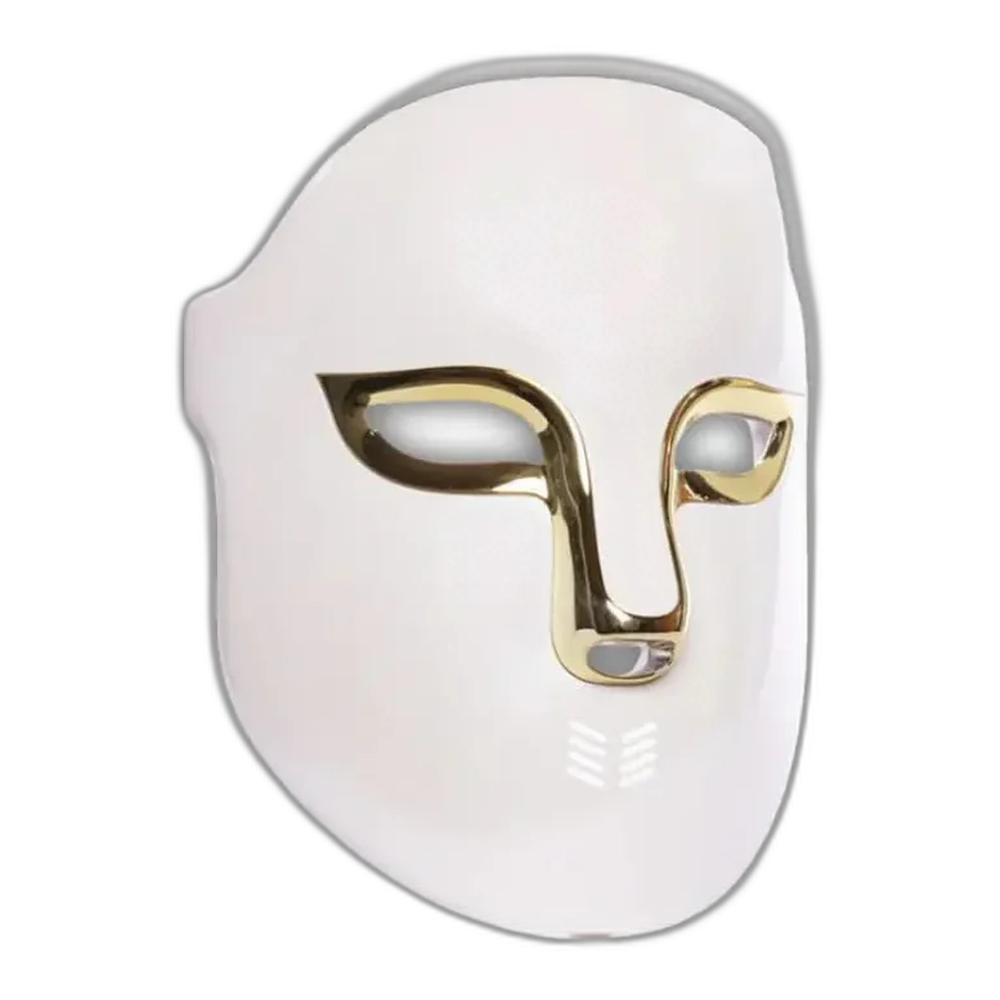
The EvenSkyn Mirage covers the three most clinically relevant LED wavelengths in a wireless, hands-free mask that undercuts most comparable competitors on price. Three wavelengths matter: 630nm red for collagen stimulation; 830nm NIR for deeper tissue inflammation reduction; 415nm blue for acne-causing bacteria. CurrentBody's LED mask retails at $395–$495 and covers two wavelengths. The Mirage covers three at $399.99, wireless, hands-free, 10-minute sessions.
Key specs:
- Wavelengths: 630nm red, 830nm near-infrared, 415nm blue
- Power: Clinically relevant irradiance levels
- Operation: Wireless — rechargeable battery, hands-free
- Session time: 10 minutes (auto-off)
- Coverage: Full-face mask design
Who it's for: LED mask users focused on phototherapy — skin tone, collagen support, and acne management. Budget ~$400.
Score breakdown: 7.9/10 — strong value, solid wavelength coverage, wireless convenience. Drops below the Lumo⁺ because LED-only limits the use case for skin laxity concerns.
EvenSkyn Pulsar
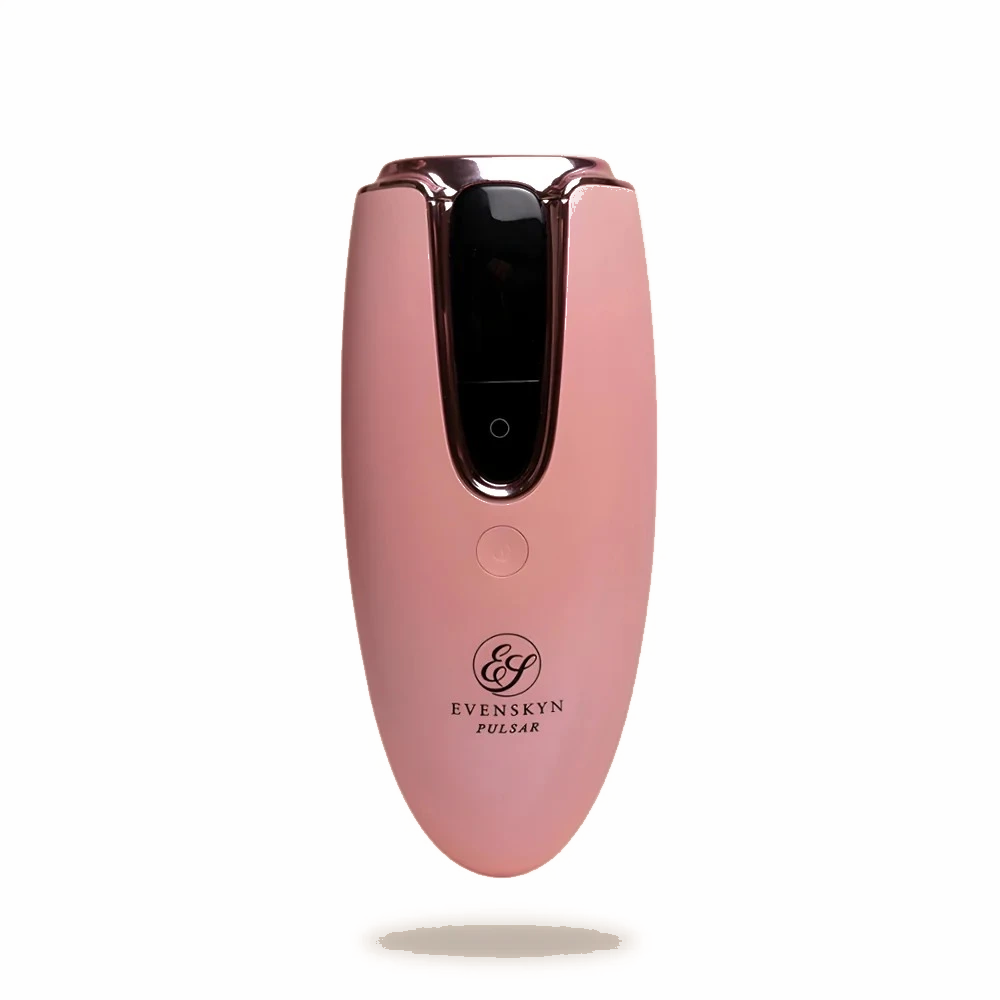
The EvenSkyn Pulsar is a capable mid-range IPL device with FDA clearance, 8 adjustable energy levels, and a built-in skin tone sensor that makes it safer than cheaper alternatives at $279.99. The skin sensor reads skin tone before each flash and prevents firing at energy levels unsafe for darker skin tones (Fitzpatrick V–VI) — the same safety feature on Philips Lumea and Braun Silk·Expert Pro at $400+. At $279.99 with FDA clearance, the Pulsar punches above its price tier.
Key specs:
- Technology: Intense Pulsed Light (IPL)
- FDA clearance: Yes
- Energy levels: 8 adjustable settings
- Skin sensor: Built-in tone detection — auto-lock on unsafe tones
- Flash lifespan: 300,000 flashes
Who it's for: Anyone shopping for a mid-range FDA-cleared IPL device at ~$280. Not suitable for Fitzpatrick V–VI skin tones — the skin sensor will prevent firing.
Score breakdown: 7.7/10 — the FDA clearance and skin sensor earn it. Ranks below Mirage because hair removal requires months of consistent sessions and efficacy is moderate vs. premium-tier devices.
EvenSkyn Phoenix
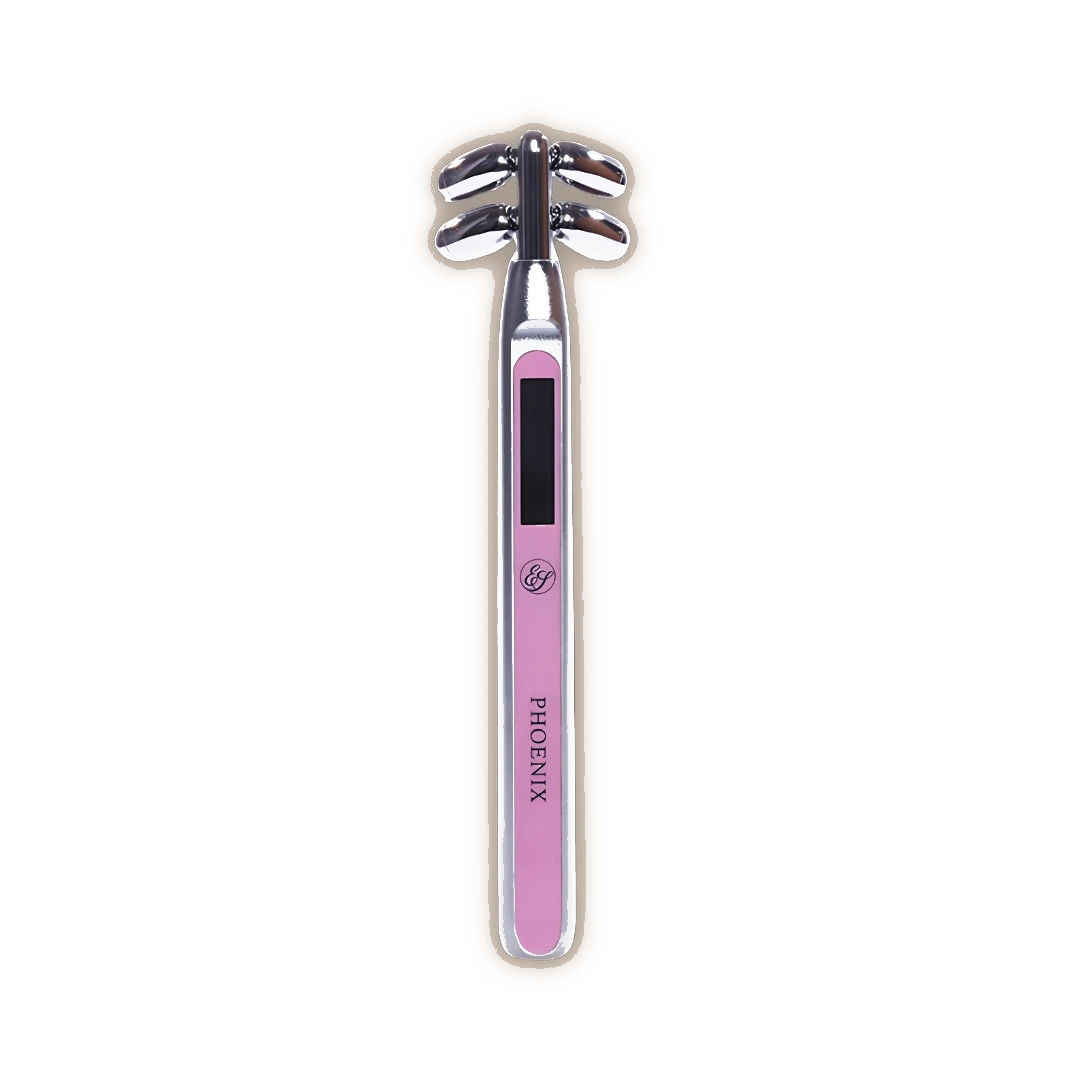
The EvenSkyn Phoenix is a genuinely useful daily-use microcurrent roller at a price that makes consistent treatment practical. Solar-powered (no charging required), roller format designed for daily use, positioned explicitly as a maintenance tool rather than a high-intensity treatment device. At $119.99 with no batteries or charging needed, it's the most practical entry point in the EvenSkyn lineup. The honest limitation: 15µA is low — NuFACE Mini runs at 200µA+. Set expectations accordingly: maintenance, not dramatic lifting.
Key specs:
- Technology: Microcurrent (galvanic)
- Current output: 15µA
- Power source: Solar panel built into roller head — no batteries or charging
- Design: Roller format, not handset
- Use frequency: Designed for daily use
Who it's for: Microcurrent beginners, budget-conscious users focused on daily maintenance at ~$120. The rational first microcurrent device before committing to $200+ for NuFACE.
Score breakdown: 7.8/10 — honest positioning, strong price-to-utility ratio. 15µA output limits the efficacy ceiling vs. NuFACE-tier devices.
Which EvenSkyn Device Is Right for You?
The decision matrix below is built around your primary concern, not the marketing positioning of each device.
| Your Primary Goal | Device | Why | Budget |
|---|---|---|---|
| Anti-aging — skin laxity, firmness, fine lines | Lumo⁺ | RF + EMS + LED in one device. Multi-modal approach addresses multiple contributing factors of skin aging simultaneously. | ~$500 |
| Skin tone, texture, glow — phototherapy focus | Mirage | Three-wavelength LED mask that undercuts most competitors. Hands-free, wireless, 10-minute sessions. | ~$400 |
| Permanent hair reduction at home | Pulsar | FDA-cleared IPL with safety skin sensor. For Fitzpatrick I–IV skin tones only. | ~$280 |
| Daily microcurrent maintenance, budget-first | Phoenix | Solar-powered roller, no charging required, daily use designed in. Best entry point to microcurrent at lowest cost in lineup. | ~$120 |
| Want the most versatile option | Lumo⁺ | At ~$500 it covers the most ground. Add Pulsar or Mirage as complements if you later want dedicated IPL or hands-free LED therapy. | ~$500 |
EvenSkyn vs Competitors — Where They Stand
EvenSkyn competes in the mid-range tier against recognizable names. Here's where they actually sit:
EvenSkyn Lumo⁺ vs NuFACE Trinity / NuFACE Mini+
NuFACE is the category benchmark for at-home microcurrent. The Trinity runs $339, the Mini+ runs $209 — both deliver higher microcurrent output than the Lumo⁺'s EMS component. Where the Lumo⁺ wins: it adds RF and LED in the same device. NuFACE doesn't offer RF. If your concern is purely microcurrent lifting, NuFACE has the edge on intensity. If you want RF skin tightening as part of the same protocol, the Lumo⁺ wins on value.
EvenSkyn Mirage vs CurrentBody LED Mask
CurrentBody's LED mask is the market leader, retailing at $395–$495. The Mirage covers three wavelengths (red, NIR, blue) vs. CurrentBody's two (red, NIR) at a lower or equivalent price. CurrentBody has more published research behind its specific device — not just the wavelengths. For most users, the Mirage is the better value, but CurrentBody has the brand trust advantage.
EvenSkyn Pulsar vs Philips Lumea / Braun Silk·Expert Pro
Philips and Braun are the IPL standard-setters at $300–$500. Both have more published user data and longer flash lifespans on premium models. The Pulsar's FDA clearance puts it in the same safety tier; its advantage is price. Its limitation is flash energy — the Lumea and Silk·Expert Pro deliver more energy per flash, which means faster results over fewer sessions. Pulsar is the right choice if budget matters; Lumea is the right choice for maximum efficacy.
EvenSkyn Phoenix vs NuFACE Mini
Not a close competition on efficacy. NuFACE Mini delivers 200µA+ vs. the Phoenix's 15µA. The Phoenix wins on price ($119.99 vs. $209) and solar-powered daily convenience. The rule is simple: choose Phoenix for maintenance, choose NuFACE if you want measurable lifting results.
Frequently Asked Questions
Yes. Canadian brand, FDA registrations and clearances where required (the Pulsar carries FDA clearance; other devices are FDA registered). Build quality is consistent across the lineup. Not a fly-by-night Amazon brand — they've maintained the same product lineup for several years and sell through their own direct site in addition to Amazon.
EvenSkyn is a Canadian brand. Manufacturing is in China, which is standard across the at-home beauty device industry including brands at 3–5× the price point. What matters is QC and regulatory compliance — and on both counts EvenSkyn performs adequately.
Yes, with scheduling awareness. RF (Lumo⁺) and LED (Mirage) can be used in the same routine — LED first, RF after. IPL (Pulsar) is on a weekly schedule and doesn't conflict with the others. Microcurrent (Phoenix) is daily and doesn't conflict. The main rule: don't use RF and microcurrent in the same session on the same area — keep them in separate routines.
The Pulsar (IPL) is not suitable for Fitzpatrick V–VI skin tones — this is a limitation of IPL technology, not specific to EvenSkyn. The skin sensor will prevent firing in those cases. The Lumo⁺, Mirage, and Phoenix are suitable for all skin tones; RF, LED, and microcurrent have no skin-tone contraindications.
Yes. All four devices are available on Amazon. Pricing is typically consistent with evenskyn.com. For affiliate-tracked purchases that support Celliara's independent reviewing, use the direct links in each device section above.
Depends on the device and concern. Microcurrent (Phoenix): temporary tightening effect immediately; cumulative structural results over 4–8 weeks of consistent daily use. RF (Lumo⁺): visible at 6–8 weeks with 3× weekly sessions. LED (Mirage): skin tone improvements at 4–6 weeks. IPL (Pulsar): hair reduction requires 8–12 weeks of weekly sessions during active phase.
MORE FROM CELLIARA